

How to Handle Losses and Stay Mentally Strong as a Day Trader
Understanding Losses in Day Trading
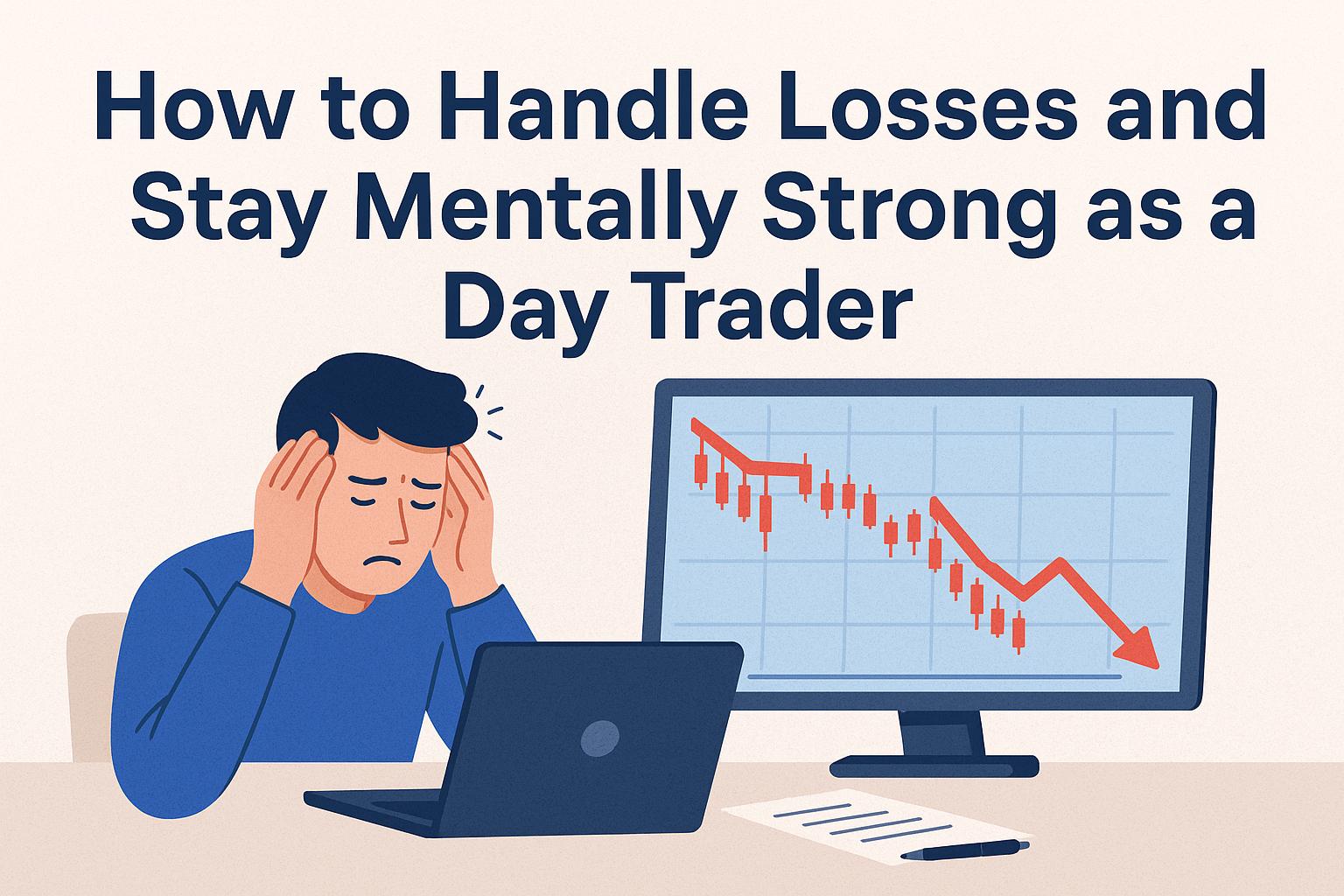
In the realm of day trading, experiencing losses is not just possible—it’s inevitable. This harsh reality applies to traders of all experience levels, emphasizing a fundamental truth that even the most knowledgeable and skilled practitioners must accept. The ability to navigate these losses with a level head and a strategic outlook is what separates successful traders from those who struggle. Recognizing that losses are an integral part of the trading journey is pivotal in developing a resilient mindset that can withstand the ups and downs of market dynamics.
Analyze and Learn from Your Losses
One of the most effective methodologies for dealing with trading losses is the practice of thorough analysis. It’s not enough to write off a loss as mere bad luck. Instead, traders need to delve into the specifics of what went wrong. By breaking down each trade systematically, one can uncover patterns or mistakes that may have contributed to the unsuccessful outcome.
- Look for patterns in your trading strategy that might consistently lead to losses.
- Assess market conditions; sometimes external factors might influence your trading decisions.
- Consider your emotional state during trades, as psychological factors can impair judgment.
Acquiring insights from these analyses contributes to a deeper understanding of personal trading practices and market behavior, which can be instrumental in mitigating future losses.
Maintain a Trading Journal
An essential tool for any serious trader is a detailed trading journal. Documenting all trades—including the rationale for entering or exiting a position, the emotional state at the time, and any other relevant factors—provides a comprehensive log that can be reviewed to identify successful strategies and recurring pitfalls. This habit encourages accountability and reflective practice, which are crucial for growth.
Risk Management Techniques
Risk management is the cornerstone of maintaining longevity in the day trading business. Implementing effective strategies to minimize potential losses ensures that missteps do not lead to debilitating setbacks. One fundamental technique is setting clear stop-loss orders and adhering to them without exception. This decisive action prevents minor losses from ballooning into significant financial damage.
Allocation of Capital
Prudent allocation of trading capital is another critical component of risk management. The temptation to wager substantial portions of capital on a single trade can be strong, particularly when confidence is high. However, this approach is fraught with peril. A common and effective strategy is to risk only a small percentage of the total trading capital on any individual trade. This method serves as a financial buffer, allowing traders to absorb losses without catastrophic financial consequences.
Using Stop-Loss Orders
Stop-loss orders are predefined markers that trigger an exit from a trade when an asset’s price reaches a specified level. This mechanism is crucial in volatile or unpredictable markets, as it offers a safety net that protects investment from descending too far. Maintaining discipline with stop-loss orders ensures that emotion does not influence trading decisions, which can lead to unnecessary loss escalation.
Building Mental Resilience
Strengthening mental resilience is indispensable for anyone committed to a sustained career in day trading. The ability to rebound quickly from losses and to forge ahead with a clear mind is what enables traders to remain effective and strategically competent.
Developing a Strong Psychological Frame
Cultivating a robust mental framework involves accepting losses not as failures but as opportunities for improvement. This mindset engenders confidence in one’s strategies and decisions, which is essential for trading success. Avoiding impulsive actions and remaining insulated from the volatility of short-term outcomes are hallmarks of a disciplined psychological approach.
Regular Breaks
Maintaining mental clarity is crucial, and taking regular breaks from the trading arena can significantly contribute to this clarity. Overtrading can risk potential burnout, increasing vulnerability to errors caused by fatigue. Engaging in leisure activities or incorporating mindfulness practices, such as meditation, into daily routines can promote mental well-being and focus.
External Resources
Finally, leveraging external resources is invaluable in honing one’s trading acumen. Educational materials—be they books, seminars, or well-researched articles—provide fresh perspectives and strategies that can be incorporated into one’s trading toolkit. Engaging with trading communities, whether online or in person, offers the dual advantage of support and exposure to diverse viewpoints. Actively participating in such forums can enhance a trader’s knowledge, allowing for continual improvement and adaptation.
In summary, day trading is a complex journey that demands a commitment to continuous learning and mental fortitude. The road is long and fraught with challenges, but by persistently sharpening skills, diligently managing risk, and fostering a resilient mindset, traders can find success in this demanding yet rewarding endeavor.
This article was last updated on: January 4, 2026