
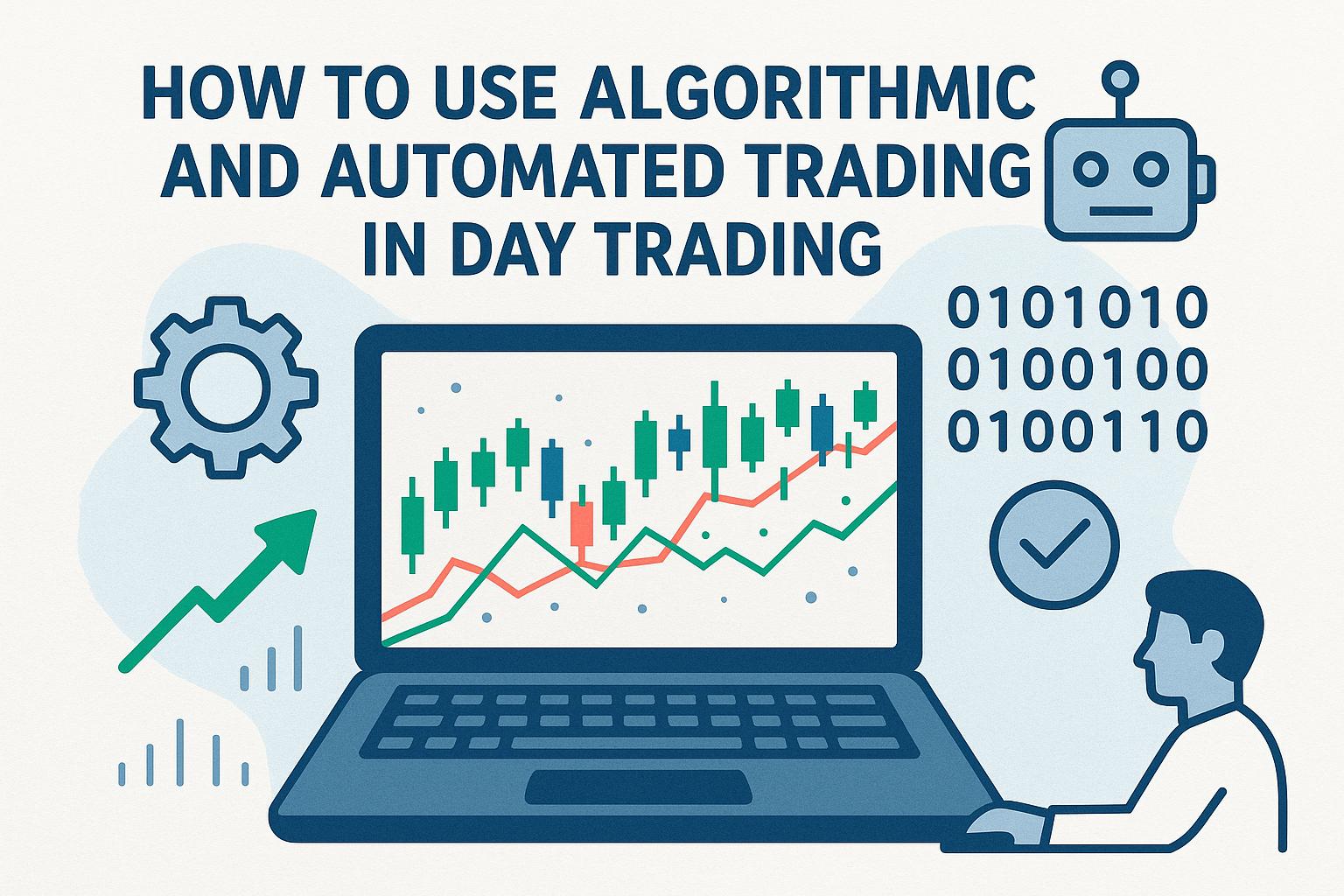
How to Use Algorithmic and Automated Trading in Day Trading
Introduction to Algorithmic and Automated Trading
The world of financial trading has undergone significant evolution over the past few decades. One of the most noteworthy advancements is the incorporation of algorithmic and automated trading into day trading practices. Day trading, the act of buying and selling financial products like stocks, options, currencies, or futures within a single trading session, presents ample opportunities to profit but is riddled with complexities and challenges. Algorithmic and automated trading offers solutions to these challenges, allowing for high-speed, highly consistent execution of trades based on complex strategies. This change is made possible through the development of computer programs that adhere strictly to predetermined criteria, removing much of the emotional and psychological strain inherent in manual trading.
Understanding Algorithmic Trading
The essence of algorithmic trading lies in the use of algorithms, which are sophisticated sets of rules and codes created to carry out trading tasks. These algorithms can process vast amounts of data to make informed decisions, reacting to ever-changing market conditions within fractions of a second. The core advantages of algorithmic trading over traditional, manual trading practices include aspects such as speed, precision, and reduced emotional interference.
Speed is an obvious benefit of algorithmic trading: algorithms can execute trades far more swiftly than human traders. As today’s markets often shift rapidly, the ability to react almost instantaneously provides a competitive edge that’s difficult to replicate manually.
Precision is another hallmark feature. Algorithms don’t need to worry about making mistakes due to fatigue or lapses in judgment. Each trade executed follows strict guidelines, ensuring that predefined conditions are met without error—a crucial factor when executing complex trading strategies.
Reduced Emotional Impact is a challenge for any trader. Human traders fight battles against emotions like greed and fear, which can lead to erratic decision-making and inconsistency. Algorithms, however, operate devoid of these emotions, sticking unwaveringly to the established strategies, thus providing consistency.
The Role of Automated Trading
Though often mentioned in conjunction with algorithmic trading, automated trading is distinct in its complete removal of human intervention during trading execution. By allowing computers to carry out trades based entirely on the instructions of an algorithm, traders benefit from continuous operation and oversight without the need for constant human presence.
With 24/7 Operations, these systems can oversee markets continuously, responding to opportunities or changes even when human traders are offline or resting. This non-stop function is invaluable for markets like cryptocurrencies that operate beyond conventional trading hours.
Moreover, automated trading systems provide advantages such as Backtesting. By analyzing historical market data, traders can assess the viability of their algorithms in past conditions, thereby gaining insights into their performance and reliability. This testing phase is critical for refining strategies before committing capital in live markets.
For those interested in learning more, resources such as Investopedia offer extensive information about algorithmic trading.
Building an Algorithmic Trading Strategy
Creating an algorithmic trading strategy is a complex process that involves various critical steps and considerations, aimed at maximizing potential returns while managing risks effectively.
The first step is Defining Objectives. Traders must outline clear and realistic goals, taking into account desired returns, capital availability, and acceptable levels of risk. Understanding these objectives guides the entire strategy development process and shapes algorithmic design.
Next, a trader must Select a Suitable Market. Whether the focus is on stocks, forex, or newer markets like cryptocurrencies, understanding market dynamics is paramount for strategy success.
Once a market is selected, it’s time to Create the Algorithm. Here, a combination of market analysis, technical indicators, and insights are transformed into concrete rules that the algorithm will follow. This stage requires technical proficiency and in-depth market knowledge.
With a prototype algorithm, traders proceed to Testing and Optimization. In this phase, the algorithm’s performance is evaluated against past market data. Traders scrutinize its outcomes, tweaking aspects to enhance performance. This is an iterative process that demands both patience and technical expertise.
Finally, there’s the ongoing task of Monitoring and Maintenance. Markets are dynamic, and so is the performance of trading algorithms. Continuous oversight of the algorithm’s real-world performance ensures it adapts to any anomalies or shifts in market conditions.
Risks and Considerations
While trading through algorithmic systems offers numerous benefits, it is not devoid of risks, some of which can have significant ramifications.
Technical Failures are a primary concern. Trading systems rely heavily on technology, leaving them susceptible to issues like system outages, connectivity troubles, or software bugs. Such disruptions can lead to erroneous trades or missed opportunities, affecting profitability.
Overfitting is another frequent pitfall. During the backtesting phase, it’s possible for an algorithm to perform well on historical data because it has been optimized to mirror past market environments too closely. This hyperspecialization means it may falter under different or evolving market conditions.
Lastly, Market Conditions remain unpredictable. Sudden volatility or market shifts can have adverse effects on an algorithm’s efficiency and profitability.
For those interested in delving deeper into algorithmic trading, educational platforms like Coursera offer a wealth of resources. Nevertheless, it’s crucial to embark on this journey with a solid foundational understanding and rigorous analysis when employing these sophisticated trading strategies.
This article was last updated on: January 25, 2026