
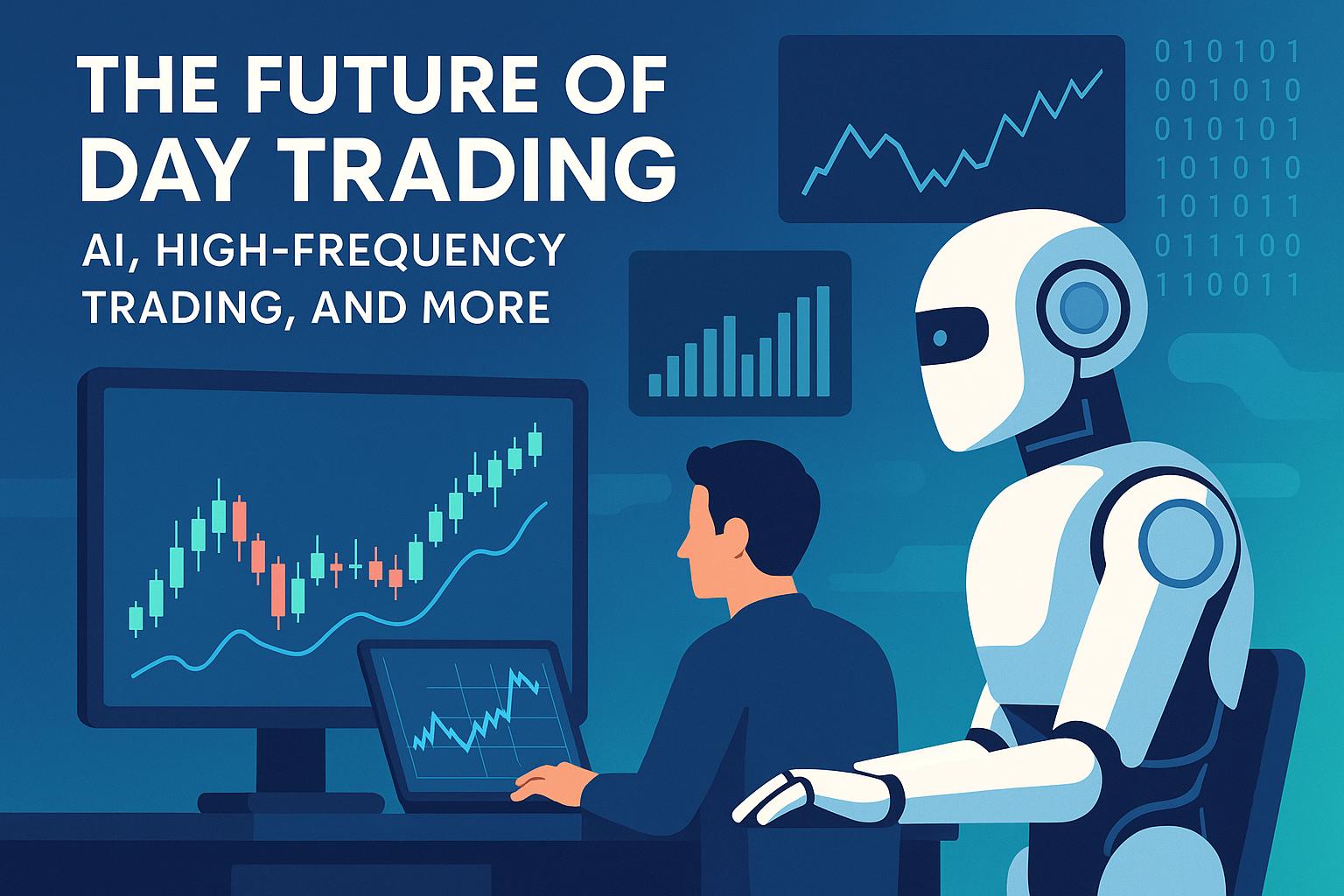
The Future of Day Trading: AI, High-Frequency Trading, and More
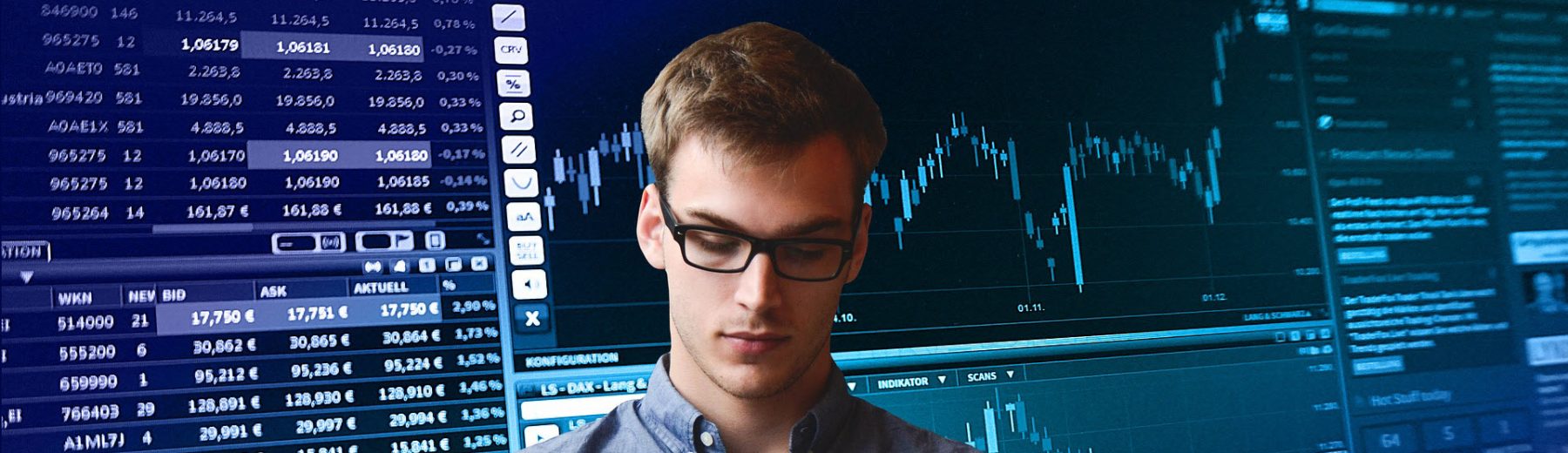
The Evolution of Day Trading
Day trading, characterized by the buying and selling of financial instruments within the same trading day, has significantly evolved over the past few decades. Traditionally, it was a domain largely occupied by individual traders manually executing trades from their desktop terminals. This era was defined by painstaking research and a reliance on personal intuition and analysis. However, with the advent of technology, particularly in the past two decades, the landscape of day trading has undergone a radical transformation.
The integration of digital platforms into financial markets has democratized access, allowing a more extensive and diverse range of participants to engage in day trading activities. These platforms provide real-time data and advanced trading tools that were previously only accessible to institutional investors. As technology continuous to revolutionize financial markets, day trading practices have become more sophisticated, precise, and competitive.
Artificial Intelligence in Day Trading
Among the most transformative technologies influencing day trading today is Artificial Intelligence (AI). AI’s capabilities in data analysis and pattern recognition have redefined the strategies and tools used in day trading. AI systems can process vast amounts of market data at speeds unattainable by human counterparts, positioning them as indispensable forces in the fast-paced environment of financial markets.
AI-driven algorithms are meticulously designed to analyze historical data, predict trend patterns, and execute trades grounded on these predictions. These systems not only increase the probability of capitalizing on short-term price fluctuations but also mitigate the risks of human error in decision-making. The ability of AI to learn and adapt further distinguishes it as a critical tool for day traders seeking efficiency and reliability.
Moreover, AI’s role extends to risk management, providing traders with more accurate risk assessments and contingency planning. As AI technology progresses, its integration into day trading will likely deepen, offering more sophisticated applications and enhanced trading strategies.
High-Frequency Trading (HFT)
Alongside AI, High-Frequency Trading (HFT) has gained substantial prominence in the day trading ecosystem. Defined by its ability to execute a large number of trades at blistering speeds, HFT utilizes sophisticated algorithms and powerful computers to exploit even minute price discrepancies within the market. The fundamental premise of HFT is speed, leveraging the ability to access data closer to its source than traditional trading systems.
The rise of HFT has facilitated unprecedented levels of trading volume, although it has introduced new complexities into the financial markets. Issues of market volatility and liquidity have surfaced as HFT strategies can rapidly intensify price movements. Additionally, concerns regarding the fairness and ethics of HFT have emerged, prompting discussions about regulatory oversight.
Despite these concerns, HFT remains a significant force in modern day trading. Traders who can navigate the complexities of HFT may find competitive advantages in the form of narrow spreads and enhanced market efficiency, though they must remain vigilant to the evolving regulatory landscape and market dynamics.
Emerging Technologies and Their Impact
Beyond AI and HFT, other emerging technologies hold potential to significantly reshape day trading practices. Technologies such as quantum computing and blockchain are garnering attention for their innovative applications in financial markets.
Quantum computing promises unprecedented processing speeds which could revolutionize data analysis techniques. Its capability to solve complex problems quickly offers tremendous potential for optimizing trading algorithms and financial modeling on an entirely new scale.
On the other hand, blockchain technology offers remarkable advancements in transparency, security, and efficiency. By providing secure, immutable records of transactions, blockchain has the potential to enhance trust and reduce fraud in trading activities. The decentralized nature of blockchain platforms could simplify settlement processes and reduce costs in trade execution.
As advancements in these technologies continue, day trading is expected to become increasingly data-driven and automated. Traders and firms that embrace these innovations will likely maintain a competitive edge in this rapidly evolving marketplace. The integration of quantum computing and blockchain might lead to novel trading methodologies, fundamentally altering traditional practices while presenting new opportunities and challenges.
Conclusion
The future of day trading is undoubtedly intertwined with technological progress. Currently spearheaded by AI and HFT, this evolution promises further growth with the integration of emerging technologies like quantum computing and blockchain. These advancements are likely to shape day trading into a more automated and data-centric practice.
For individuals and institutions engaged in day trading, staying informed and adaptable is crucial to navigating this continuously changing landscape. Embracing new technologies and refining strategies will be essential for attaining success in financial markets. Ultimately, as technology evolves and integrates deeper into trading practices, those who harness its potential will position themselves to capitalize on new opportunities while mitigating the inherent risks.
This article was last updated on: February 8, 2026