
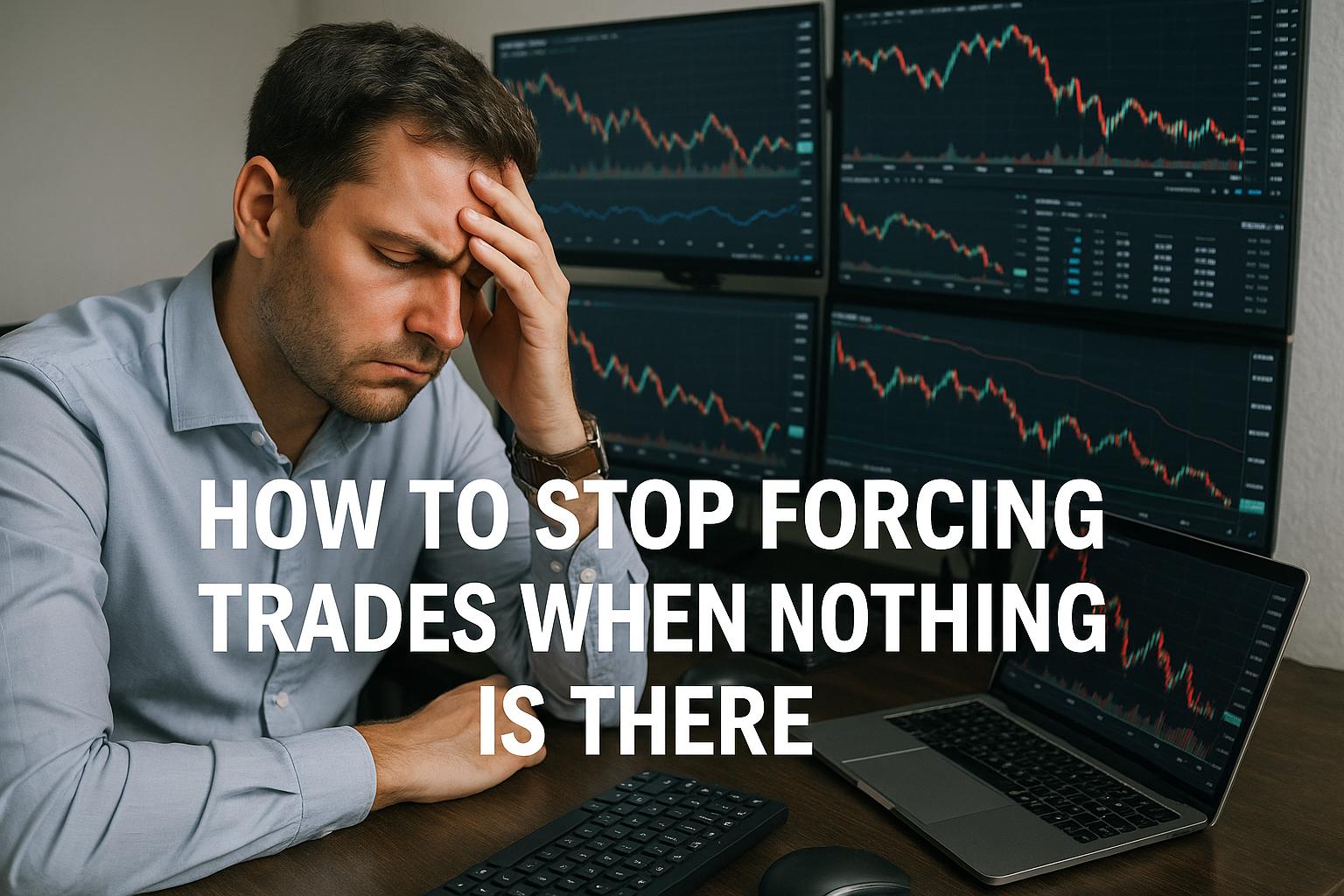
How to stop forcing trades when nothing is there
Understanding the Impulse to Trade
Financial markets can be highly enticing due to their inherently dynamic nature. The allure of trading, accompanied by the promise of quick returns and the excitement of market movements, often leads to the inevitable urge to trade even when market conditions aren’t particularly favorable. This predilection to trade is a common challenge faced by traders, both novices and seasoned ones alike. This desire is often fueled by factors such as the fear of missing out (FOMO) and the thrill associated with potential profits. However, impulsively trading without a clear and premeditated strategy can lead to significant, and possibly devastating, losses. It becomes crucial, therefore, to recognize this impulse as the initial step in mitigating it. Let us delve deeper into understanding this inclination and how to effectively manage it.
Recognize the Emotional Drivers
Emotions such as greed and fear possess the notorious capability to obscure judgment during trading sessions. Traders, driven by these emotions, frequently respond impulsively to market news or abrupt price movements without conducting thorough analyses. To counteract this impulsivity, it is essential to identify and acknowledge these emotional triggers. One practical approach to achieving this is keeping a detailed journal devoted to logging what influences trading decisions. This journal can provide traders insights into their behavioral patterns over time, serving as a vital resource for introspection and improvement.
Establish a Clear Trading Plan
Establishing a well-defined trading plan is crucial for maintaining discipline amid market chaos. This plan should comprehensively outline several critical components: entry and exit criteria, risk management strategies, as well as specific market conditions under which trades should be initiated. By adhering to this meticulously crafted plan, impulsive and potentially detrimental decisions can be significantly minimized. Moreover, consider integrating automated tools or alerts to facilitate adherence to your established strategies. These tools can act as reminders or checkpoints during periods of heightened market activity.
Risk Management Strategies
Effective risk management strategies are indispensable for achieving long-term success in trading. One such strategy involves setting stop-loss orders, which can efficiently limit potential losses during unfavorable market conditions. Additionally, diversifying investments across various asset classes or market sectors helps in reducing overall risk exposure. Understanding your personal risk tolerance and adjusting the size of your trades accordingly is equally vital to mitigate risks effectively.
Adopt a Long-Term Perspective
Trading should be approached with a long-term perspective rather than being perceived as a short-term speculative game. By adopting this outlook, traders are more inclined to base their decisions on comprehensive analyses rather than succumbing to short-lived market fluctuations. Such an approach encourages the evaluation of trades based on fundamental metrics as opposed to being guided by emotional triggers. Embracing a long-term perspective can foster patience and prudent decision-making among traders.
Continuous Education and Analysis
The landscape of financial markets is constantly evolving, making continuous education a critical component of successful trading. Regular engagement with market analyses and learning from seasoned traders can significantly deepen your understanding of evolving trading dynamics. Consider joining online communities or participating in webinars that offer a platform for knowledge exchange and provide valuable insights, reducing the temptation to trade impulsively due to lack of adequate knowledge.
Review Past Trades
Analyzing past trades can offer a transparent view of mistakes made and successes achieved. Regularly reviewing your trading history can help identify patterns or emotional responses that may have led to forced trades. By extracting valuable lessons from past experiences, you can better resist the compulsive urge to engage in unnecessary trading activities.
Utilize Trading Tools
Modern trading platforms are equipped with various tools designed to help reduce the inclination to force trades. Among these tools are market simulators, advanced charting features, and backtesting capabilities. Market simulators allow traders to test their strategies in a risk-free environment, promoting disciplined trading behavior without the fear of financial loss. Meanwhile, advanced charting features contribute to nuanced analyses of market trends, empowering traders to make well-informed decisions. Backtesting, moreover, enables traders to test the viability of their trading strategies using historical data, adding another layer of insight and preparedness.
Conclusion
The impulse to trade when clear opportunities are absent can be detrimental to one’s financial success and overall welfare. By recognizing emotional drivers, adhering steadfastly to a well-structured trading plan, and leveraging the array of available trading tools, traders can effectively avoid the common pitfalls associated with forced trading. Developing a disciplined approach not only enhances decision-making capacity but also fosters a sustainable and ultimately more rewarding trading practice. For those seeking to further augment their trading acumen, consider exploring additional resources such as specialized trading courses or professional advice from reputed financial advisors. Through disciplined practice, continuous learning, and thoughtful strategy, the lure of impulsive trading can be transformed into a pathway for thriving in the complex world of financial markets.
This article was last updated on: October 9, 2026