
How to handle slow days as a serious trader
Understanding Slow Trading Days
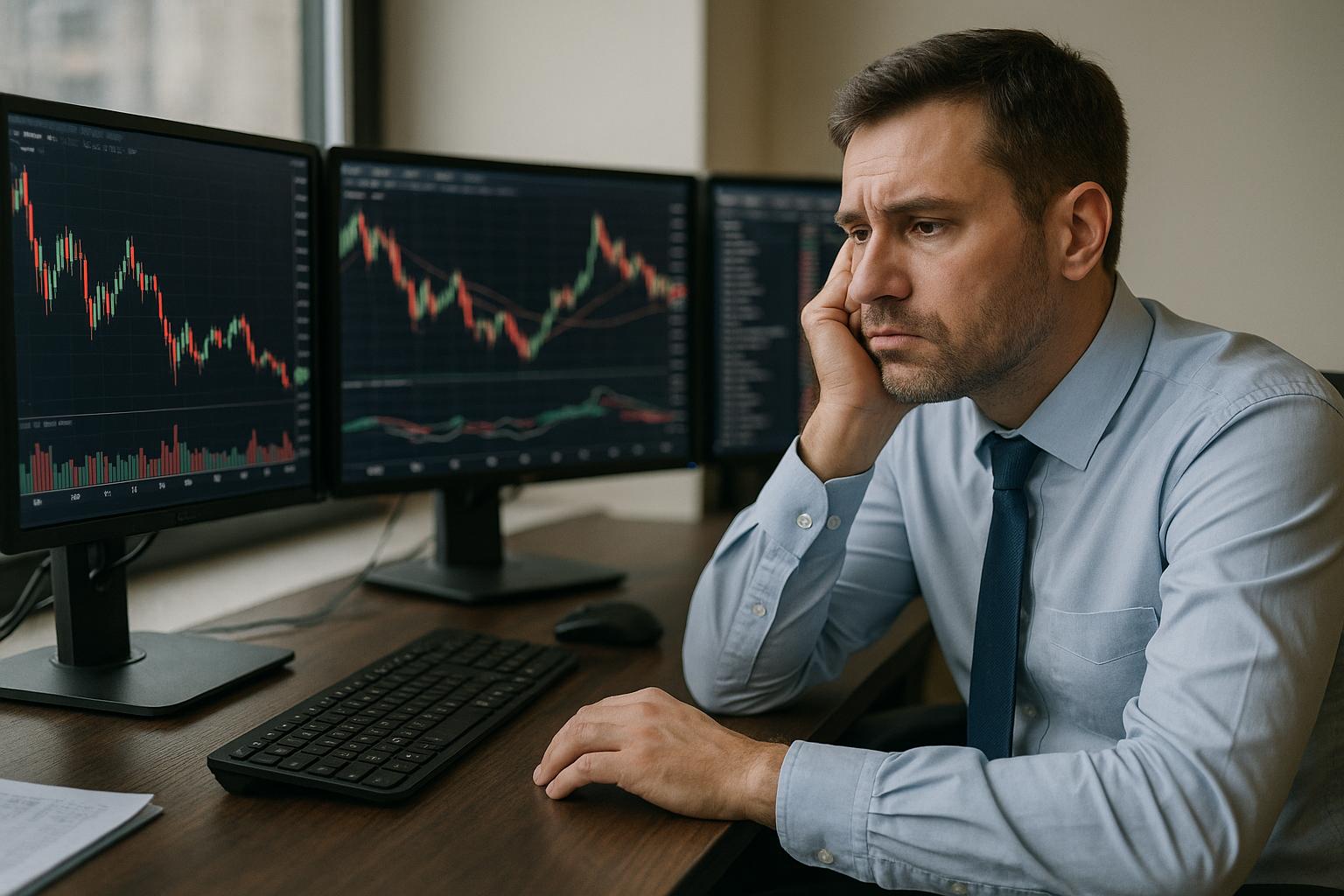
In the world of trading, not every day offers a plethora of lucrative opportunities. Slow trading days are an inevitable aspect of market dynamics and can arise for various reasons such as market holidays, the absence of major news events, or generally low volatility. During these times, traders may encounter lower-than-average trade volumes and narrower price ranges. Developing an understanding of these slow days and learning how to handle them effectively can be instrumental in maintaining a disciplined trading routine and preparing for more active market conditions in the future.
Staying Disciplined
A significant challenge faced by traders during slow trading days is maintaining discipline. Traders who find themselves inactive for extended periods may feel compelled to engage in impulsive trading decisions merely for the sake of being active. However, such hastily made decisions can potentially result in unnecessary losses. It is crucial to adhere to your predetermined trading strategy and avoid deviations simply to create action on otherwise dull days.
Resisting Impulsive Trades
When the market is quiet, resisting the urge to take impulsive trades is crucial. Instead of engaging in activities that may lead to errors, it is advisable to focus on understanding the reasons behind slow market movements and maintain vigilance for potential changes.
Review and Analyze Past Performance
Slow trading periods offer a golden opportunity to review and analyze past trades. Comprehending what strategies were successful and identifying those that were not can provide valuable insights, which in turn can assist in refining your trading approach. This process involves a detailed examination of your trade logs to uncover patterns and pinpoint areas for improvement.
Identifying Strengths and Weaknesses
Reflecting on previous trades allows traders to distinguish between their strengths and weaknesses. Regular evaluations can facilitate the development of tailored strategies that focus on leveraging strengths while addressing weaknesses.
Improve Your Trading Skills
Quieter market days present an excellent opportunity to enhance trading skills. Consider dedicating ample time to reading educational materials, participating in webinars, or attending virtual workshops to deepen your knowledge and understanding of the market. Engaging with professional resources can be particularly beneficial. Exploring platforms like Investopedia for in-depth articles or BabyPips for forex education might prove helpful.
Networking with Other Traders
Take advantage of the slowdown to network with other traders. Sharing experiences and discussing strategies can provide new perspectives and insights that may enhance your trading prowess.
Plan for Future Trades
Slow days also offer a chance to plan for future trades. Utilizing technical analysis tools to identify potential trade setups on long-term charts can position you to capitalize on market opportunities once activity resumes. Determining key levels of support and resistance and formulating a strategy for executing trades when conditions are more favorable can be a productive use of time.
Scenario Planning
By engaging in scenario planning, traders can develop a range of strategies to prepare for various market conditions. Such planning ensures a well-rounded approach that can adapt to diverse trading environments.
Stay Informed
Even on slow days, remaining informed about developments that may influence market conditions is essential. Regularly checking financial news sources and upcoming economic events can offer insights that might affect future trading sessions. Consider setting up alerts or utilizing financial calendars to stay abreast of significant events.
Industry News and Analysis
Beyond financial news, staying updated with industry-specific developments can help identify potential shifts in market dynamics that may influence trading decisions.
Patience Is Key
Finally, embracing patience and maintaining a long-term perspective is crucial. Remember that slow trading days are inherent to market dynamics and can provide much-needed respite from more hectic periods. The key is to remain calm, focused, and prepared for when market conditions become more favorable.
Building Emotional Resilience
Developing emotional resilience ensures that traders remain composed during extended periods of inactivity, reducing the likelihood of making rationalized decisions that could lead to losses.
Optimizing Time on Slow Trading Days
Approaching slow trading days with a disciplined and strategic mindset enables traders to optimize their time. By setting realistic goals for what they wish to achieve during slow periods, traders can ensure they remain productive and ready to seize opportunities when market activity increases.
Creating a Structured Routine
Establishing a structured routine for slow trading days can prevent aimlessness and enhance productivity. Allocate time to various activities, ensuring that the day is well-balanced between analysis, education, and planning.
Developing a Flexible Trading Plan
A robust, flexible trading plan accounts for both slow and busy market conditions. Through continuous refinement and adaptation, traders can ensure their strategies remain effective regardless of volatility levels. A well-rounded trading plan not only includes specific strategies but also has room for reassessment and adjustment in response to evolving market dynamics.
Incorporating Risk Management
An integral aspect of a flexible trading plan is robust risk management strategies. Even during slow trading days, risk management should be a perpetual focus to mitigate any potential adverse impacts.
Conclusion: Embracing Slow Trading Days
In conclusion, slow trading days need not be a source of frustration. Instead, with a disciplined approach and effective utilization of time, traders can not only prepare for future opportunities but also enhance their trading skills during these periods. By avoiding impulsive actions, reflecting on past performance, augmenting knowledge, planning for future trades, staying informed, and considering patience and strategic thinking, traders will be better positioned to optimize their efforts and respond adeptly when the pace of market activity accelerates once more.
This article was last updated on: October 16, 2026